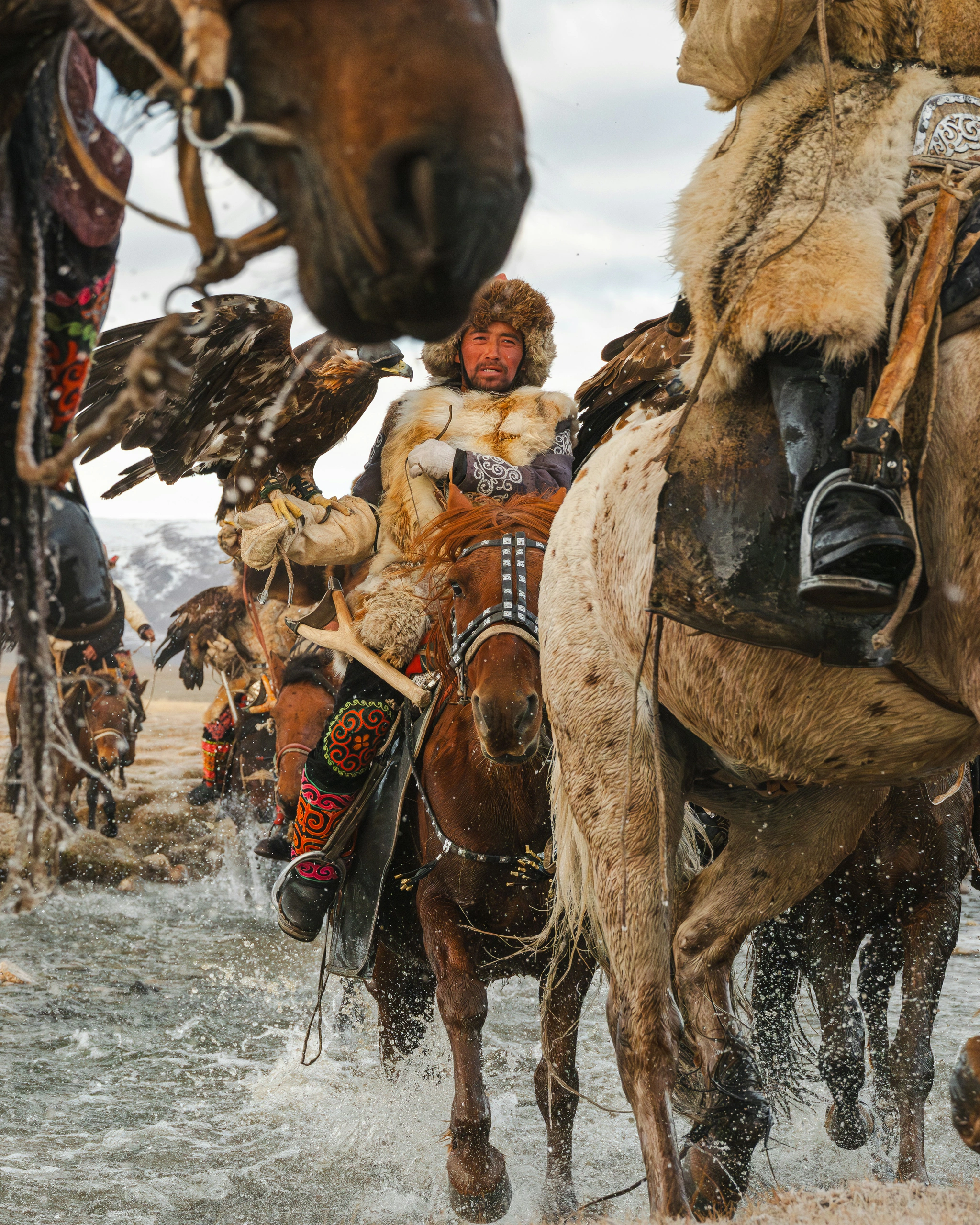
The Beiyang
Contents
Beiyang Riders
The The Beiyang inhabit the broad northern plains where imperial farmland slowly gives way to grasslands, mountains, and contested frontier territory. For generations, their communities have lived between the settled empire and the peoples beyond its borders, creating a culture that is both unmistakably imperial and distinctly its own.
Horses occupy a place in The Beiyang life that few southerners fully understand. Children may learn to ride before they can properly write, and wealthy families measure prestige as readily in fine horses as in land or silver. Military service is deeply respected, and many of Yanshu's most celebrated cavalry commanders have come from The Beiyang families.
Hospitality is treated almost as seriously as an oath. A welcomed guest is fed, warmed, and protected—even when the host dislikes them. Breaking one's sworn word, abandoning a companion, or behaving cowardly can stain a family's reputation for generations.
Central scholars sometimes dismiss the The Beiyang as rough frontier people who lack refinement. The The Beiyang generally consider courtly manners useful, but far less important than whether someone can be trusted when winter comes, the horses panic, or enemies appear over the horizon.
A common The Beiyang saying is:
“A fine robe will not carry you home.”